01 / HELLO

I design for complexity —
where systems meet

the human.

Enterprise UX · HCI · Art & Composition

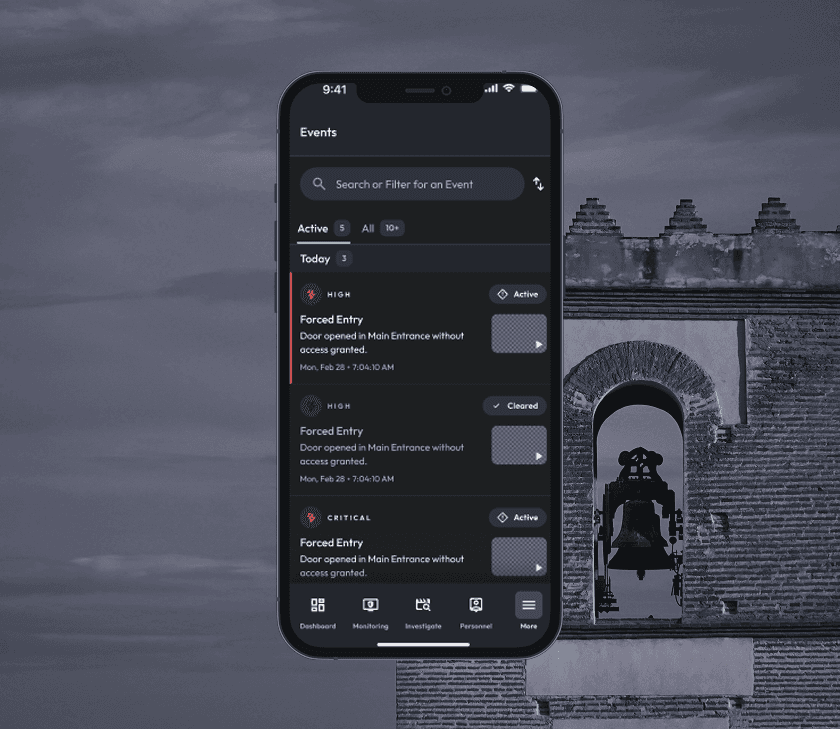
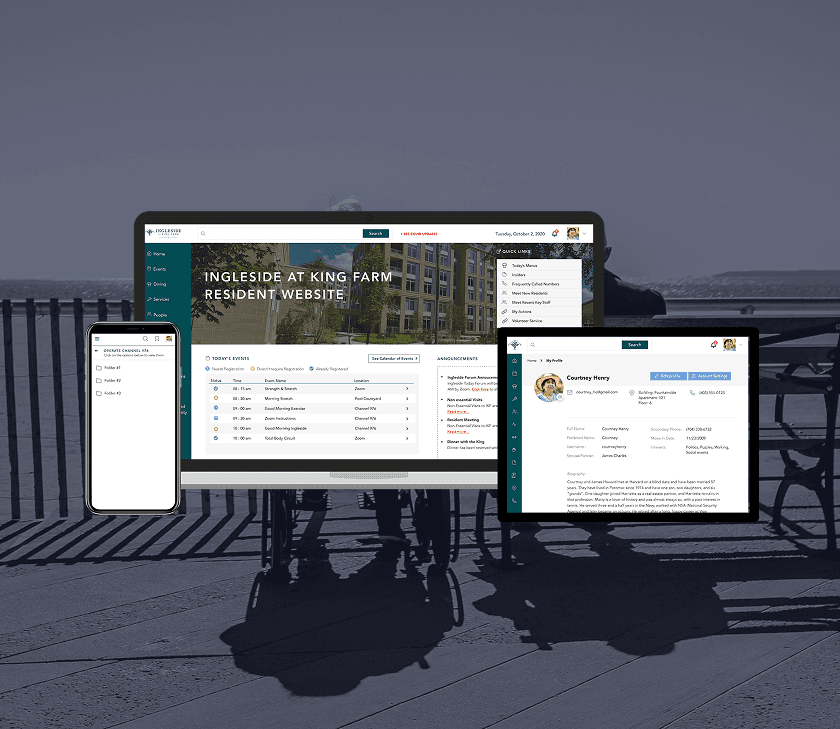
Enterprise systems where the stakes are high and the edge cases matter. I work at the threshold of art, systems, and meaning — asking the questions that make organizations uncomfortable, because those are usually the right ones.
Currently at Johnson Controls — available for Mid to Senior Product Design roles.

02 / PRINCIPLES

How I think about

design.

01

I see design as a system of relationships

Design doesn’t just live in screens. It lives in how people, tools, and decisions interact. I look for patterns across these connections to create solutions that hold up at scale.

02

I design from proven patterns

I don’t start from scratch when a pattern already works. I look across domains, maps, editing tools, dashboards, to understand what users already know, then adapt it to fit the problem. It helps me move faster, stay consistent, and build on proven mental models.

03

To design, I write

Before I design, I write. It helps me break down complex problems, connect decisions across the system, and ensure I’m solving the right thing—not just jumping to solutions.

03 / WORK

Design in

action.
04 / PROCESS

My design process.

Before anything is sketched or mapped, I try to ask and answer the why. What are we trying to solve? Where is this requirement coming from? What does this system assume about its users? Sitting with those questions long enough is the work. The rest follows.

01 / VISUALIZE

Shaping the Problem

Journaling, system mapping, information architecture. I'm not organizing yet, I'm dumping and categorizing as much information as I can. As a visual learner and illustrator, I like to map pain points to gain creators, and draw out any invisible connections.

01 / VISUALIZE

Shaping the Problem

Journaling, system mapping, information architecture. I'm not organizing yet, I'm dumping and categorizing as much information as I can. As a visual learner and illustrator, I like to map pain points to gain creators, and draw out any invisible connections.

02 / ANALYZE

Find connections, notice missing loops

I try to draw out connections between my problem with other solutions. I see where patterns can be reused, what users are familiar with. I find missing details, discepencies, and what our long term goals are. I try to know as much as I can before I design.

02 / ANALYZE

Find connections, notice missing loops

I try to draw out connections between my problem with other solutions. I see where patterns can be reused, what users are familiar with. I find missing details, discepencies, and what our long term goals are. I try to know as much as I can before I design.

03 / DESIGN

Experiment, decide, present

As I shift into design, I find myself creating multiple versions and then taking decisions on which on is the best interaction. I experiment, get stuck, ask for critiques, and then try again. I keep a "north star" version of what the user needs to do, and why, and anchor my decisions to it. When I present to stakeholders, I find myself making decisons that align, and then guage reactions to see if it was right. It's trial and error, but that's the nature of design.

03 / DESIGN

Experiment, decide, present

As I shift into design, I find myself creating multiple versions and then taking decisions on which on is the best interaction. I experiment, get stuck, ask for critiques, and then try again. I keep a "north star" version of what the user needs to do, and why, and anchor my decisions to it. When I present to stakeholders, I find myself making decisons that align, and then guage reactions to see if it was right. It's trial and error, but that's the nature of design.

05 / ABOUT

Not just a designer. The one who pictures everyone.

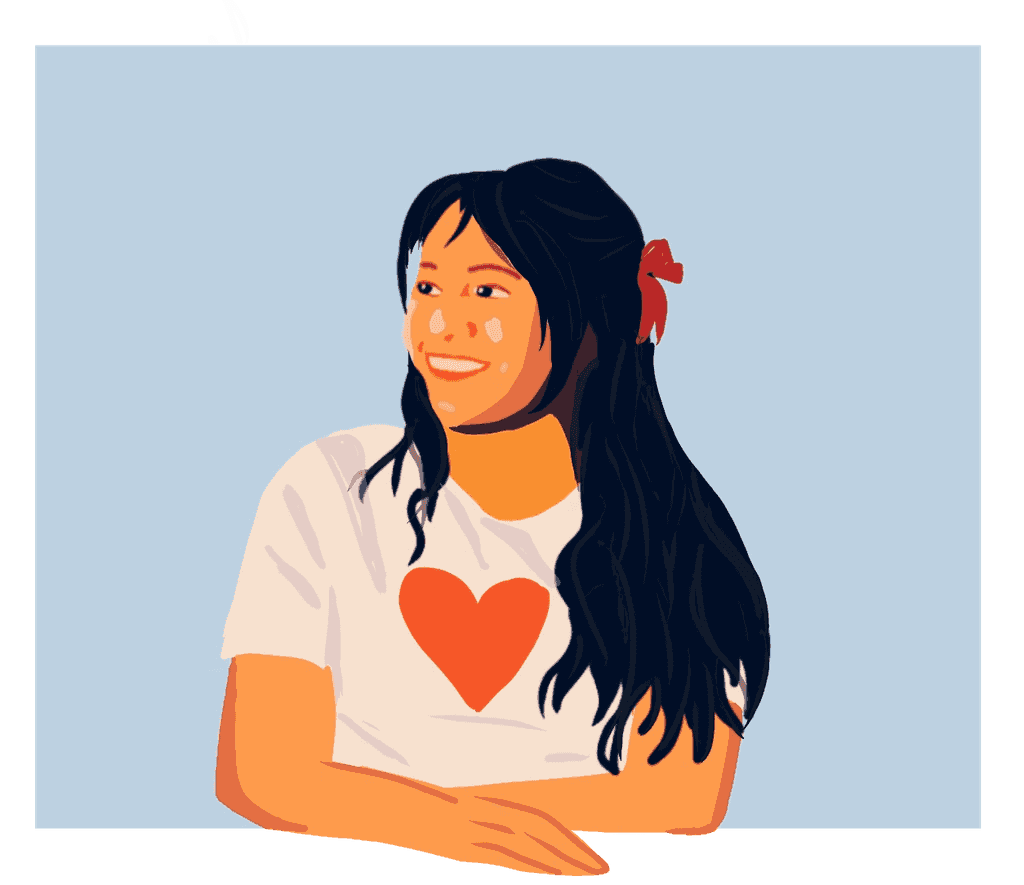
Profile image of the designer.

I trained as a 3D artist before I trained as a designer. My B.S. in Animation and Illustration gave me an eye for composition, narrative, and the weight of visual decisions. My M.S. in Human-Computer Interaction gave me the language for systems, research, and the humans inside them.For three years at Johnson Controls, I've been building enterprise products for users in high-trust, high-stakes environments. I work best at the edges, where the edge case exposes the system, where the user the brief forgot turns out to be the most important one.I read philosophy. I write essays. I love asking 'why', to understand the "how' better. it's how I design.

Let's build something

worth using.

Open to senior UX roles at enterprise and complex-systems companies — especially where the problems are hard, the users are underrepresented, and the edge cases actually matter.

© All rights reserved – Sowmya Chandra

Let's build something
worth using

Open to senior UX roles at enterprise and complex-systems companies — especially where the problems are hard, the users are underrepresented, and the edge cases actually matter.

© All rights reserved – Sowmya Chandra

Let's build something

worth using.

Open to senior UX roles at enterprise and complex-systems companies — especially where the problems are hard, the users are underrepresented, and the edge cases actually matter.

© All rights reserved – Sowmya Chandra